
EXTRADITION PLAYS BYRD, Concert 2
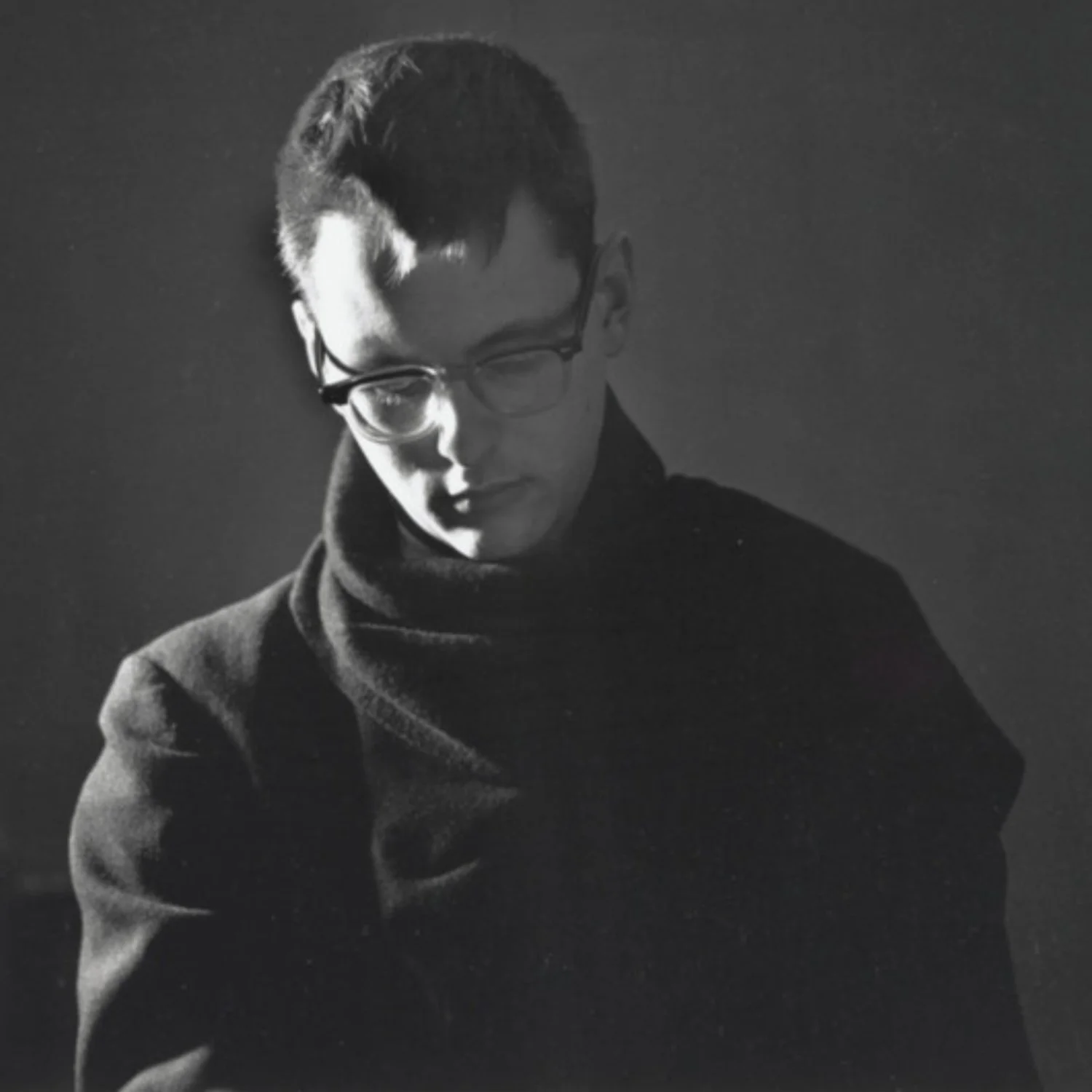
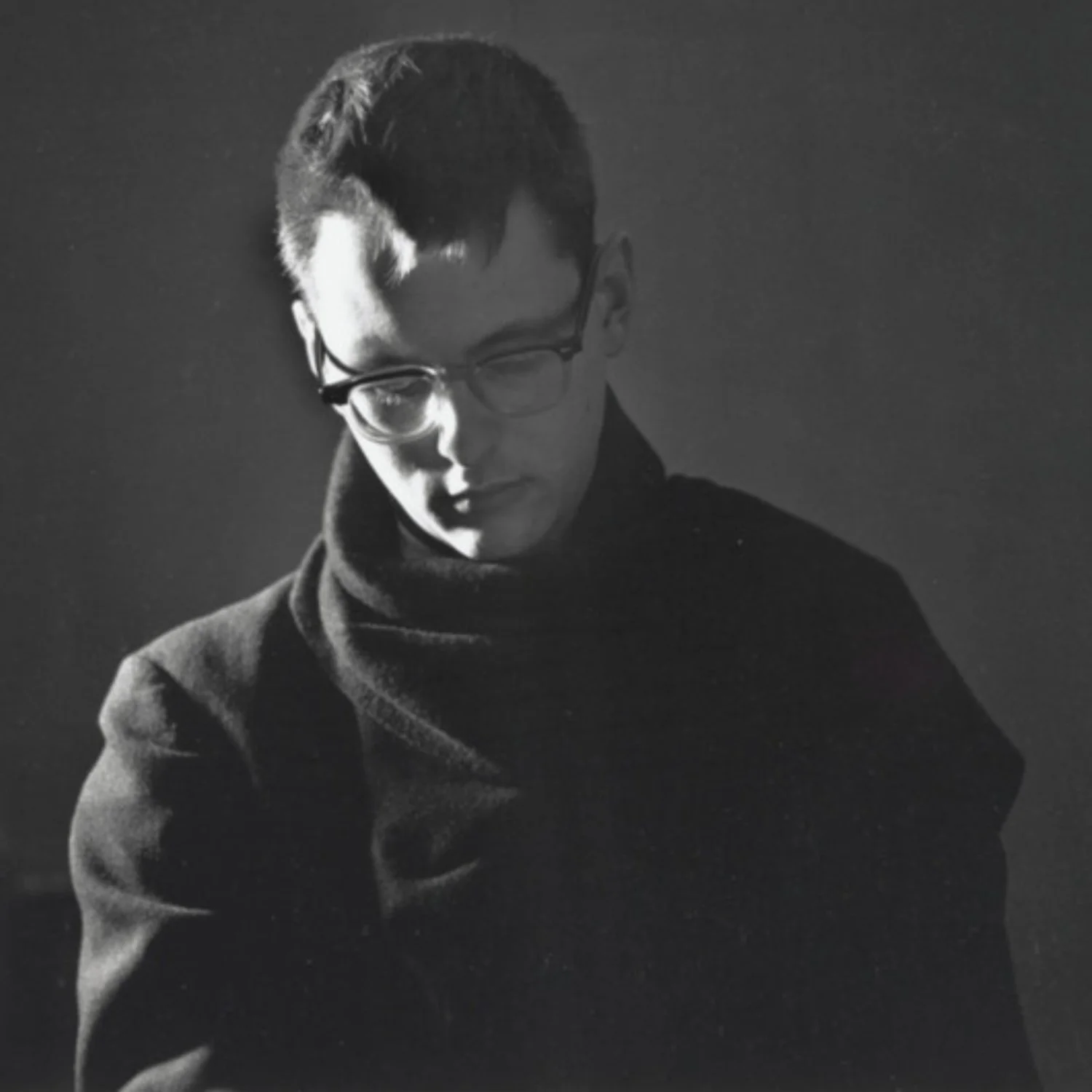
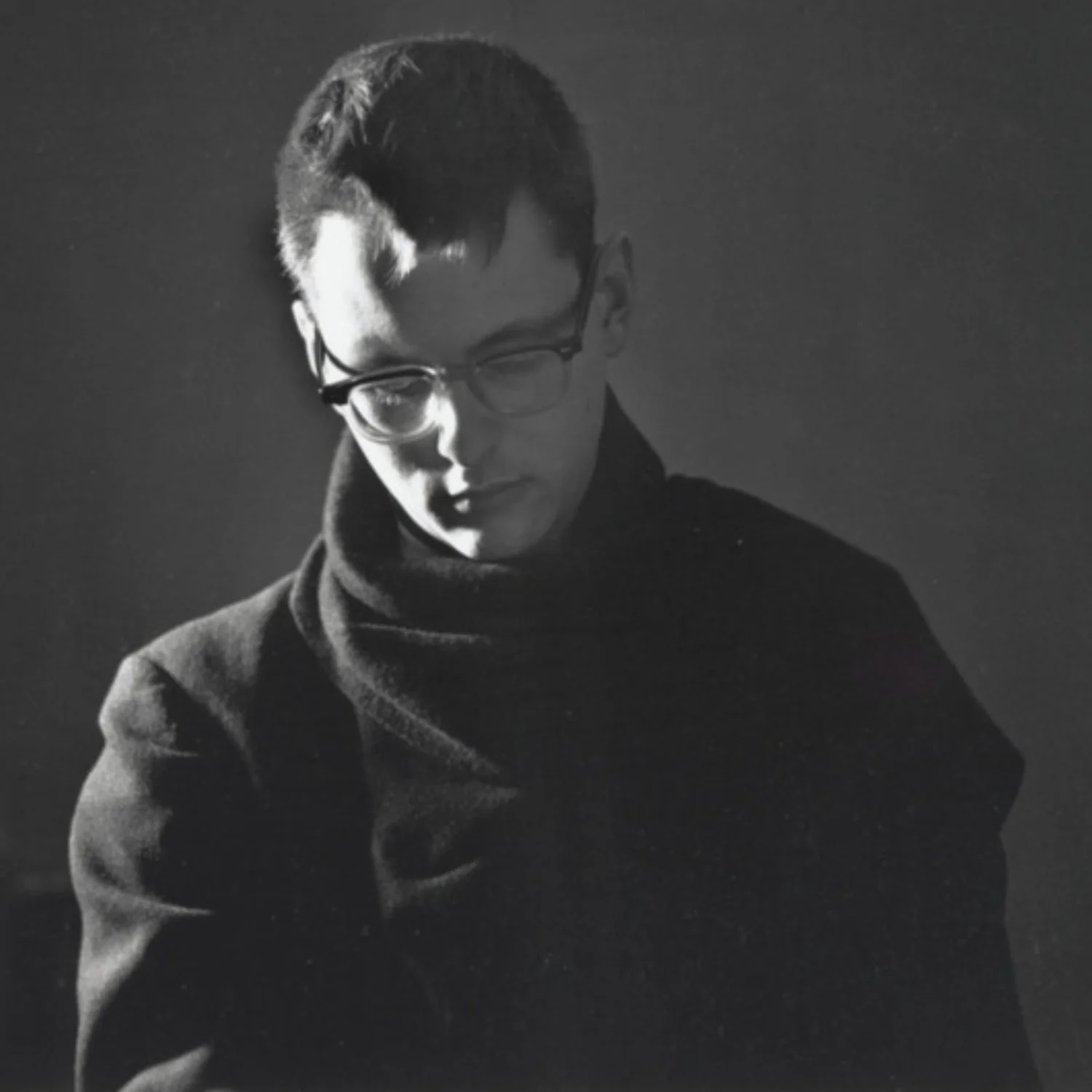
Joseph Byrd (1937–2025) was a member of the New York avant-garde during the remarkable 1960–63 period that also saw the emergence of our previous “Extradition Plays” honorees Philip Corner, Malcolm Goldstein, and James Tenney. In late 2026, Extradition will follow up our concerts dedicated to those three giants by presenting EXTRADITION PLAYS BYRD, with three concerts focused on the composer’s early-60s compositions.
SATURDAY, OCTOBER 24, 2026
Densities I (1962): Michael Anderson (viola), Catherine Lee (oboe), Ben Cohen-Chen (soprano saxophone), Logan Strosahl (flute), Collin Oldham (cello)
Loops and Sequences (1961): Collin Oldham (cello), Jennifer Wright (piano)
For David Tudor (undated): Jennifer Wright (piano)
Four Sound-Poems (1962): Jennifer Wright, Juniana Lanning, Matt Hannafin, Ben Cohen-Chen (voices)
Fish (1961): Catherine Lee (oboe d’amore), Ben Cohen-Chen (tenor saxophone), Logan Strosahl (alto saxophone), Matt Hannafin (bass melodica)
Animals (1961): Jennifer Wright (piano), Michael Anderson (viola), Matt Hannafin (percussion), Juniana Lanning (percussion), Loren Chasse (percussion), Collin Oldham (cello), Shao Way Wu (bass)
SATURDAY, JANUARY 23. 2027: Aria (undated), Raga + Desert Music (undated), Untitled II (undated), Dialogues (1961) , Tired Dragon (1960), Sonatina in A-flat (undated)
Joseph Byrd (1937–2025) was a participant in San Francisco’s seminal musical avant-garde in the late 1950s, where he befriended young composers La Monte Young, Terry Riley, and Steve Reich. Moving to New York In 1960, he quickly became a fixture on the downtown scene, performing with Young, Riley, David Tudor, Charlotte Moorman, Philip Corner, Toshi Ichiyanagi, Jackson Mac Low, Terry Jennings, Yvonne Rainer, and many others. During this time he also studied with both Morton Feldman and John Cage, whom he assisted with the preparation of Atlas Eclipticalis for performance by Leonard Bernstein and the New York Philharmonic. He presented the first full program of his music on March 4–5, 1961, at Yoko Ono’s Chambers Street studio, part of the legendary loft series curated by Young. He also participated in performances by the Judson Dance Theater, was an early member of Fluxus, and presented a concert of his works at Carnegie Recital Hall. In 1963 he returned to California, where he studied ethnomusicology, co-founded the UCLA New Music Workshop, co-produced the first West Coast festival of experimental arts, wrote the liner notes for Cage's Variations IV LP, and played in a blues band with Linda Ronstadt. In 1967 he formed the psychedelic art-rock band The United States of America, with whom he released two albums on Columbia Records. In the 1970s he taught at California State University; became a recognized authority on 19th-century American popular music; and began a long, distinguished career as an arranger, record producer, and film music composer, working with the likes of Phil Ochs, Ry Cooder, Agnès Varda, Robert Altman, and Don Buchla. In 1986 he moved to Humboldt County, CA, where he remained active in music and taught at the College of the Redwoods. He spent his final year as a resident of Medford, OR.